
Caffeine and Adrenal Fatigue
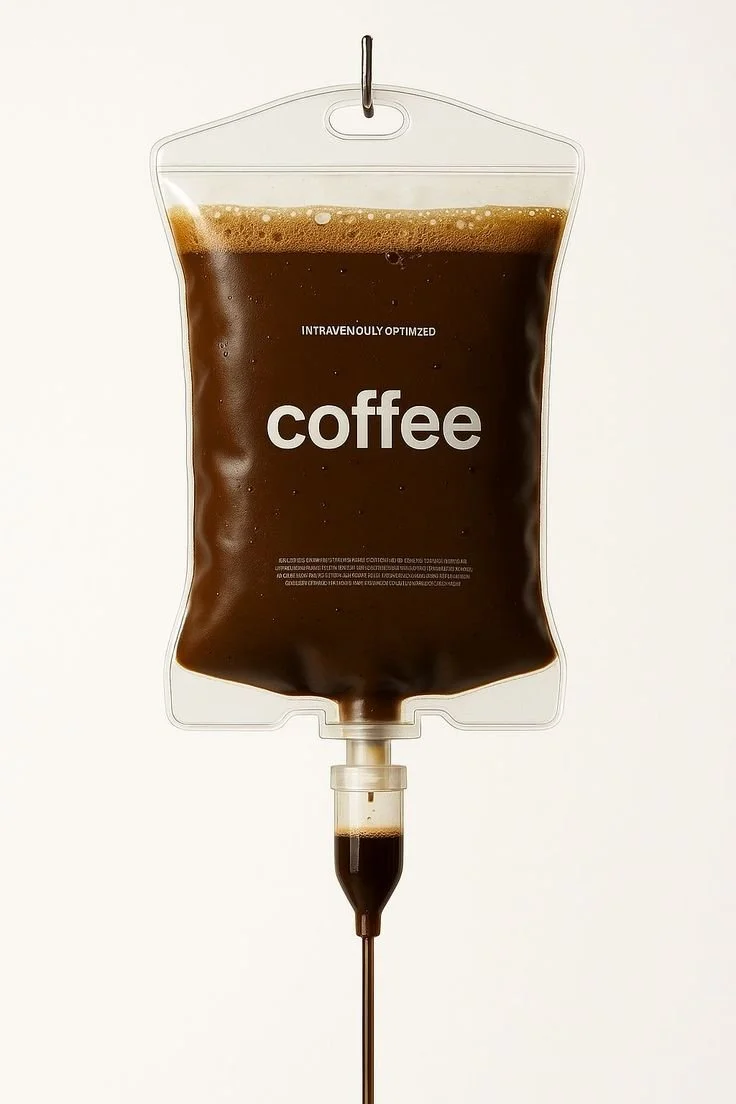
Caffeine is a natural stimulant commonly found in tea leaves, coffee beans and cacao plants. It works by stimulating the brain and central nervous system, helping you feel more alert and temporarily reducing the sensation of fatigue.
For many people, caffeine feels like a quick solution when energy is low. But when used frequently or in the wrong context, it can become part of the problem rather than the solution.
Which foods and drinks contain caffeine?
Caffeine occurs naturally in the seeds, beans and leaves of certain plants. These natural sources are then processed to produce caffeinated beverages.
Approximate caffeine content per 240 ml serving:
Espresso: 240–720 mg
Coffee: 102–200 mg
Yerba mate: 65–130 mg
Energy drinks: 50–160 mg
Tea: 40–120 mg
Soft drinks: 20–40 mg
Decaffeinated coffee: 3–12 mg
Chocolate milk: 2–7 mg
When it comes to food, one ounce (28 g) of milk chocolate contains around 1–15 mg of caffeine, while one ounce of dark chocolate contains approximately 5–35 mg.
Caffeine can also be found in prescription and over-the-counter medications such as cold and allergy medicines, painkillers and weight-loss supplements.
Caffeine and its relationship with adrenal fatigue
Adrenal fatigue is often linked to an imbalance in cortisol and adrenaline, the hormones produced to help us cope with stress.
When the body is exposed to prolonged or excessive stress, the adrenal glands can become overworked. Over time, this may contribute to symptoms such as constant fatigue, low energy, difficulty sleeping, anxiety and low mood.
When someone is already dealing with adrenal fatigue, caffeine can significantly worsen the situation. Because caffeine stimulates the nervous system, it increases the demand for cortisol, forcing the adrenal glands to work even harder when they are already under strain.
Caffeine and hormonal imbalances
Caffeine becomes problematic when it’s used too frequently or at the wrong time of day, especially later in the afternoon or evening.
It disrupts the natural cortisol rhythm, altering your body’s normal energy cycles. In simple terms, caffeine can trick your body into thinking it’s in an emergency state, which may lead to feeling even more exhausted later on.
The adrenal glands don’t only produce stress hormones. They also play a role in maintaining healthy levels of sex hormones. Chronic stress, whether it comes from daily life or repeated caffeine stimulation, can indirectly affect hormonal balance over time.
So… should you quit coffee?
As mentioned above, coffee triggers the release of cortisol, which increases alertness and energy in the short term.
The issue arises when coffee is consumed in excess or too frequently. This can overload the body with cortisol and overwork the adrenal glands, eventually leading to fatigue and reduced energy levels.
If you’re dealing with adrenal fatigue, it’s important to be mindful of your coffee intake. That said, this doesn’t automatically mean you need to quit coffee completely.
There are options that can reduce the impact of coffee on your health, and I’ll be sharing those at the end of this post and in future content.
Not everything about coffee is bad
Potential benefits of coffee
When consumed in moderation, coffee can be an interesting beverage because, beyond caffeine, it contains beneficial compounds such as:
Polyphenols (antioxidants)
Chlorogenic acid: helps protect mitochondria, reduces inflammation, stabilises blood sugar, supports seasonal allergy relief and protects the retina.
Quinic acid: antioxidant, anti-inflammatory, antimicrobial, antiviral, anti-ageing and analgesic properties.
Vitamin B2 (riboflavin)
Supports mitochondrial function and helps reduce oxidative stress and nerve inflammation.
Diterpenes (cafestol and kahweol)
Help regulate inflammatory mediators and have anti-cancer properties.
Magnesium
An essential mineral involved in muscle contraction, nerve signalling, blood sugar regulation, blood pressure balance, protein synthesis, bone health and DNA synthesis.
Choosing better coffee
Whenever possible, choose artisanal and organic coffee produced without pesticides and harsh chemicals often found in conventional coffee.
Reducing exposure to these toxins can help lower the overall stress load on the adrenal glands. Artisanal and organic coffee often also contains slightly less caffeine, which can support more stable energy levels and cortisol balance.
General recommendations
Limit coffee intake to 1–2 shots per day
Avoid coffee after 3 PM
Choose organic or artisanal coffee when possible
If you experience anxiety or adrenal fatigue, consider avoiding caffeine and using alternatives
For most adults, up to 400 mg of caffeine per day is considered acceptable
Pregnant or breastfeeding women should limit caffeine to 200 mg per day or less
A final important note
Not all sources of caffeine are equal.
A cup of coffee contains beneficial antioxidants, but when it’s loaded with whipped cream, sugar and artificial flavourings, it’s more likely to cause inflammation rather than reduce it.
Similarly, green tea provides powerful antioxidants alongside caffeine, while soft drinks often contain added sugars or artificial sweeteners that can negatively impact immunity.
I invite you to reflect on the role caffeine plays in your daily life. A cup of tea or coffee can be a beautiful ritual. But if you find yourself constantly relying on caffeine just to get through the day, it may be time to look at your sleep patterns and stress levels. Improving sleep is one of the most effective ways to naturally restore energy balance.
See you in the next post 🤍
If you’d like to explore this topic further, you can find more content on my Instagram, both in English and Spanish.
Spanish
https://www.instagram.com/p/CpToBvryiRd/
English
https://www.instagram.com/p/CpMJFyqS7mc/
And don’t forget to follow me on social media for more grounded, science-based wellness tips.