
How Foods Are Classified Based on Their Origin (AU)
A simple guide to food labels in Australia
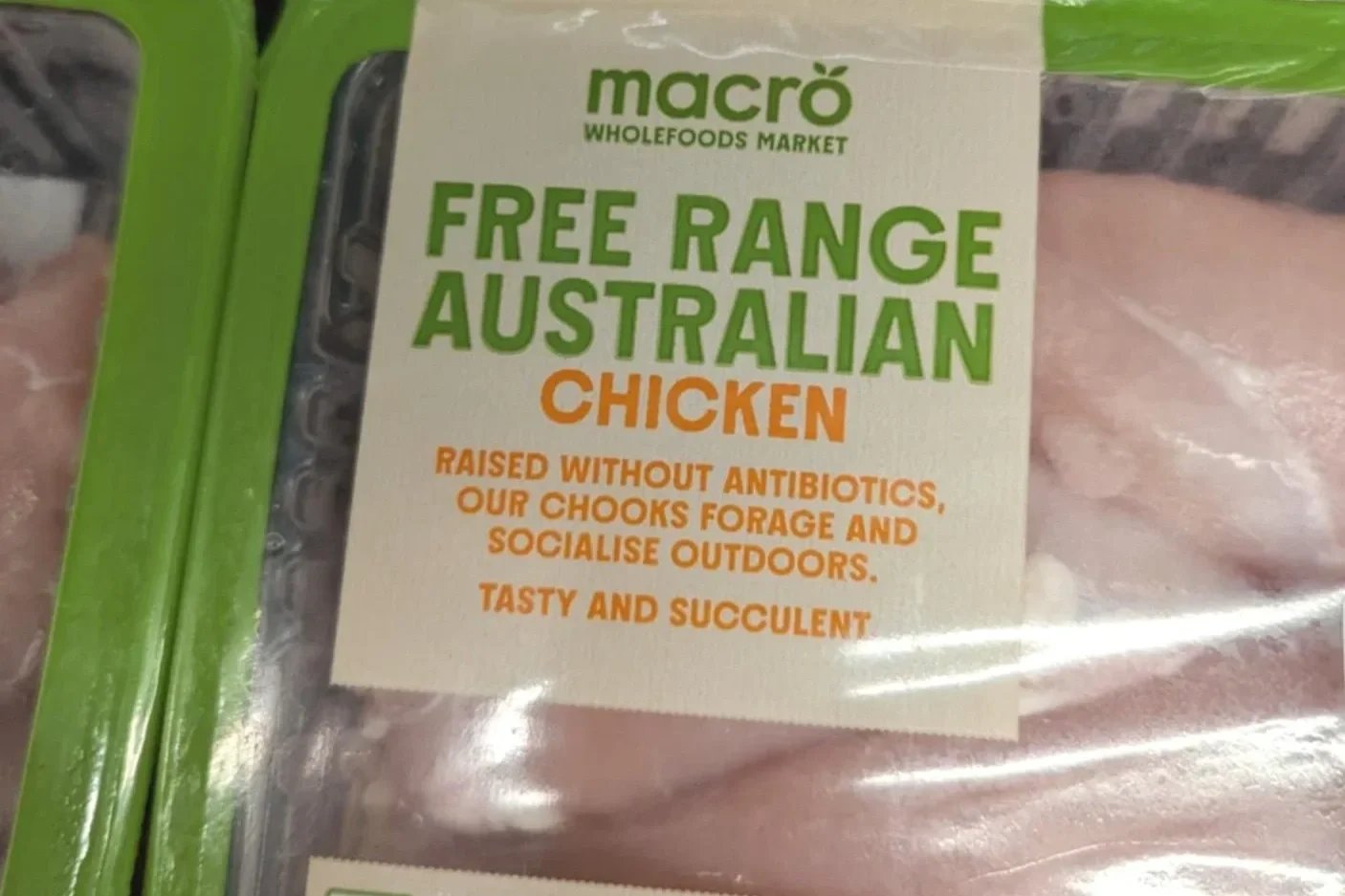
When you shop for food in Australia, you’ll often see labels like free range, grass fed, organic, natural or hormone free.
These labels can feel overwhelming and, in many cases, they’re misunderstood. Most people buy based on assumptions rather than knowing what the label actually means.
Understanding food labels is one of the simplest ways to become more conscious about where your food comes from and how it was produced. Once you understand them, you can make choices that truly support your health, without fear or perfectionism.
Antibiotic free
In Australia, the use of antibiotics in animals is regulated, but they can still be used when medically necessary.
A label stating antibiotic free generally means the animal was not given antibiotics during its lifetime. However, this term is not heavily standardised, so transparency from the producer is key. If this matters to you, asking your butcher or farmer directly is your best option.
Cage free
This term is less commonly used in Australia.
Cage free simply means poultry were not kept in cages, but it does not guarantee outdoor access or good living conditions. In Australia, free range and pasture raised provide clearer information.
Conventional farming
Also known as industrial agriculture.
This system uses synthetic fertilisers, pesticides and herbicides to increase yields. It may include monocropping, chemical weed control and intensive animal farming systems. Conventional farming is common in Australia and provides the majority of supermarket food.
Free range
Free range is widely used in Australia, especially for eggs and poultry.
Australia has defined stocking density guidelines for free range systems, meaning animals must have access to the outdoors and space to move. However, standards can still vary between producers, so not all free range systems are equal.
GMO free / Non GMO
In Australia, most fresh produce is non-GMO by default.
Genetically modified crops exist mainly in specific products such as canola and cotton. GMO labelling is less relevant for everyday fruit, vegetables and meat compared to other countries.
Grain fed
Grain fed animals are fed grains during part or all of their growth, often in feedlots.
This diet leads to meat with more marbling and a whiter fat colour, which is often associated with tenderness and flavour. Grain feeding is common in Australian beef production.
Grass fed
Grass fed means animals were fed grass rather than grains.
Grass fed meat tends to be leaner, with lower fat and calorie content. However, grass fed does not always mean lifetime grass fed. Some animals may be finished on grain before slaughter unless stated otherwise.
Pasture raised
Pasture raised indicates animals were raised outdoors on pasture, where they could graze freely and express natural behaviours.
This term is often used by ethical and regenerative Australian farmers and gives a clearer picture of animal welfare, even though it is not legally standardised.
Hormone free
In Australia, growth hormones are banned in poultry and pigs.
Hormonal growth promotants may still be used in some cattle systems, so hormone free can be a meaningful label when buying beef. As always, the most reliable information comes from speaking directly with the producer.
Local
Local generally refers to food produced close to where it is sold, although there is no strict legal definition.
Local food can be organic or conventional. It is often fresher, travels less, and provides more transparency about farming practices and origin.
Natural
The term natural is not strictly regulated in Australia.
It does not guarantee that a product is organic, sustainable, hormone free or antibiotic free. It is best viewed as a marketing term rather than a quality assurance.
Organic
In Australia, organic certification is managed by independent certifying bodies such as Australian Certified Organic and NASAA.
Certified organic producers must:
🌱 Avoid synthetic fertilisers, pesticides and herbicides
🌱 Prohibit GMOs and irradiation
🌱 Build and protect soil health through sustainable farming practices
🌱 Provide animals with access to the outdoors and pasture
🌱 Avoid the routine use of antibiotics and growth hormones
🌱 Feed animals certified organic feed
🌱 Prevent contamination during processing
🌱 Maintain detailed records and undergo regular audits
Organic foods also prohibit hydrogenated oils and trans fats.
Fair Trade
Fair Trade applies mainly to imported foods such as coffee, chocolate and bananas.
It indicates that farmers and workers were paid fairly and worked under acceptable conditions.
Heritage
Heritage refers to rare or traditional breeds of animals or crops.
While not legally regulated, responsible heritage producers usually follow sustainable farming practices. These foods are valued for flavour and genetic diversity.