
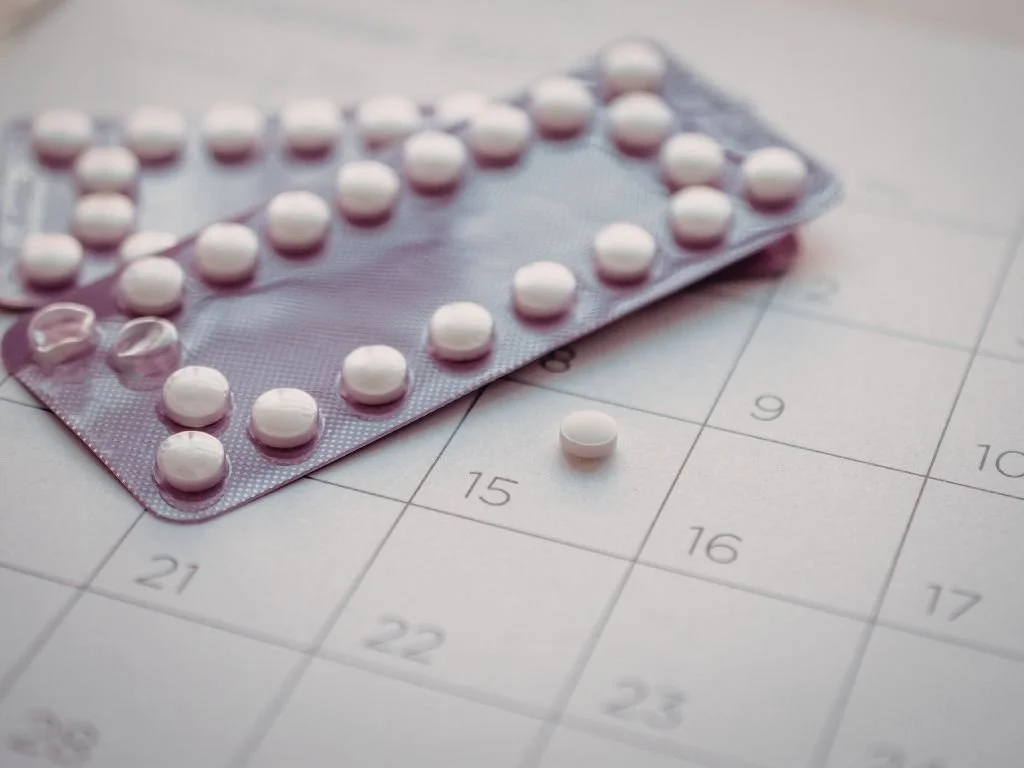
In Part 1, we explored how hormonal birth control suppresses ovulation and replaces natural hormones with synthetic ones.
But ovulation is only one part of the story.
Hormones influence every system in the body.
The brain.
The gut.
The liver.
The stress response.
Nutrient metabolism.
Sexual function.
This article explores what research and clinical observation suggest about the broader systemic effects of hormonal contraceptives.
This is not anti-pill.
It is pro-informed choice.
1. Nutrient Depletion
Several studies have associated oral contraceptive use with lower levels of:
• Vitamin B6
• Vitamin B12
• Folate
• Magnesium
• Zinc
• Selenium
• Vitamins C and E
These nutrients are essential for:
• Neurotransmitter production
• Energy metabolism
• Liver detoxification
• Thyroid function
• Immune regulation
When depleted, women may experience fatigue, anxiety, mood instability or poor stress resilience.
Not every woman develops deficiencies.
But monitoring and replenishment are rarely discussed.
2. Libido and Testosterone
Hormonal birth control suppresses ovulation and increases sex hormone-binding globulin (SHBG).
Higher SHBG binds free testosterone, reducing its availability.
Testosterone in women supports:
• Sexual desire
• Motivation
• Confidence
• Muscle mass
• Metabolic stability
Some women report reduced libido or sexual changes while using hormonal contraception.
This does not happen to everyone.
But it is common enough to warrant discussion.
3. Gut and Microbiome Changes
Hormones and the gut are deeply interconnected.
Emerging research suggests associations between hormonal contraceptive use and:
• Altered gut microbiome composition
• Increased intestinal permeability
• Candida overgrowth in susceptible individuals
• Changes in bile metabolism
For women already experiencing IBS, bloating or recurrent yeast infections, this can be relevant.
4. Brain and Mood
Estrogen and progesterone influence neurotransmitters such as serotonin, dopamine and GABA.
Synthetic hormones alter this signalling.
Some research has observed:
• Increased depression risk in adolescents
• Emotional blunting in some users
• Altered stress perception
This does not mean hormonal birth control “damages the brain.”
It means hormones shape neurochemistry.
And replacing them changes that environment.
5. The HPA Axis and Stress Response
The HPA axis — the hypothalamic–pituitary–adrenal axis — regulates cortisol and the stress response.
Some studies suggest hormonal contraceptives may alter cortisol patterns and stress reactivity.
In already stressed individuals, this may influence:
• Anxiety
• Burnout
• Fatigue
More research is ongoing, but stress system regulation is part of the broader conversation.
6. Weight and Metabolic Effects
Weight gain is not universal.
However, some women experience:
• Fluid retention
• Increased appetite
• Changes in insulin sensitivity
• Altered fat distribution
Metabolic shifts are highly individual and formulation-dependent.
7. Cancer and Cardiovascular Risk
The data here is nuanced.
Research shows:
• Reduced ovarian cancer risk
• Reduced endometrial cancer risk
• Slightly increased breast cancer risk during use
• Increased blood clot risk, especially with certain risk factors
Risk is not equal for all women.
Age, smoking, genetics and medical history matter.
Conclusion…
Hormonal birth control does not act only on the ovaries.
It influences multiple interconnected systems — the brain, the gut, nutrient metabolism, stress regulation and long-term hormonal signalling.
For some women, the benefits outweigh the risks.
For others, the side effects are significant and quietly dismissed.
The difference is not whether the pill is “good” or “bad.”
The difference is context.
Informed consent requires understanding:
• The mechanism
• The systemic impact
• Your personal risk factors
• Your alternatives
You deserve clarity, not simplification.
You deserve context, not just convenience.
In Part 3, we will explore how to support your body while using hormonal birth control — and how to transition off safely if that is your choice.
Subscribe to my newsletter for deeper educational breakdowns and evidence-based guidance on hormonal health.
You can also explore the related Instagram post for a concise summary and practical insights to support your decisions.
This is about education — not fear.
And education creates power.
Love you guys! See you next time.
Lu