
A lot of women come to me saying
“I eat really clean.”
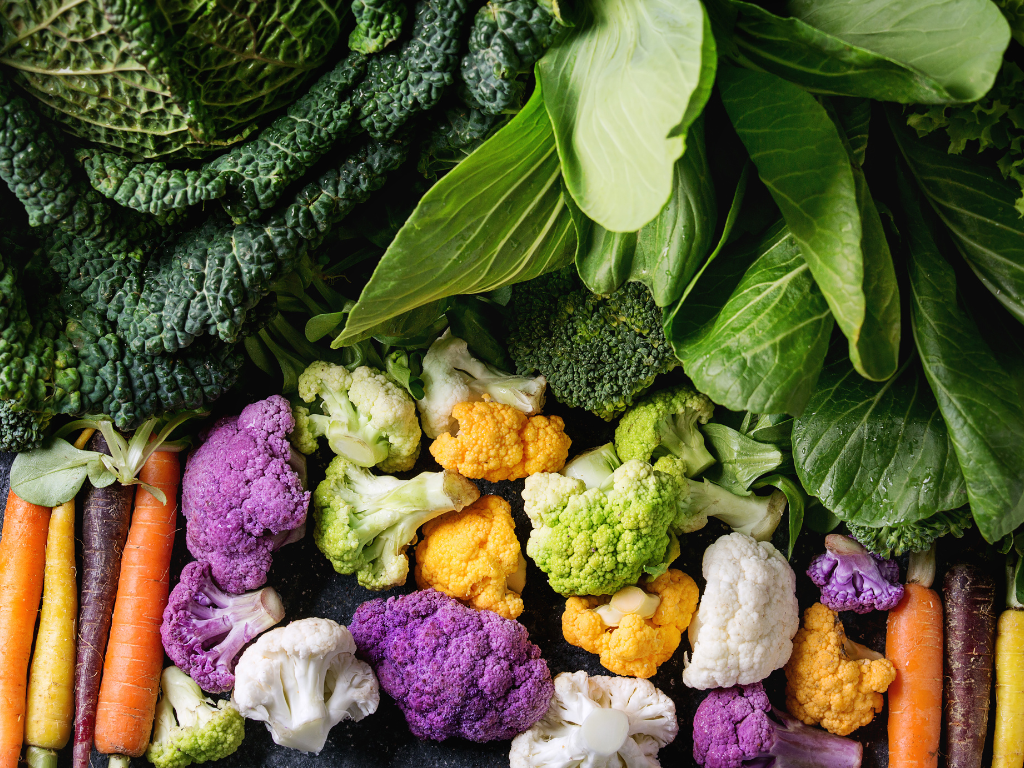
And when I look at their diet, they’re usually doing many things right. Lots of fruit and vegetables. Home-cooked meals. Whole foods.
But here’s the part most people don’t realise.
Some of the foods we associate with being healthy are also the ones with the highest pesticide residues, even after washing.
That’s why I always teach my clients how to shop smarter, not stricter.
And this is where the Dirty Dozen list becomes incredibly useful.
What is the Dirty Dozen?
The Dirty Dozen is a list published annually by the Environmental Working Group (EWG). It ranks fruits and vegetables based on how much pesticide residue they contain when grown conventionally.
This data comes from thousands of samples tested after they’ve been washed and, in some cases, peeled.
The list is updated regularly, but these foods tend to show up year after year as the most contaminated.
And yes, I strongly recommend buying these organic whenever possible, especially if you’re dealing with gut issues, hormonal imbalances, fatigue or skin problems.
Why pesticide exposure matters for the body
This isn’t about fear. It’s about understanding load.
Pesticides are chemicals designed to disrupt living organisms. In the human body, chronic exposure has been associated with:
• Disruption of hormonal signalling
• Increased stress on liver detox pathways
• Alterations in the gut microbiome
• Higher oxidative stress
• Nervous system irritation
• Thyroid and fertility disruption over time
One apple won’t harm you.
But repeated exposure, day after day, adds up.
And when the body is already under stress, that extra load can make healing harder.
The Dirty Dozen
Foods I recommend buying organic whenever possible
Organised from most contaminated to least, based on pesticide residue data.
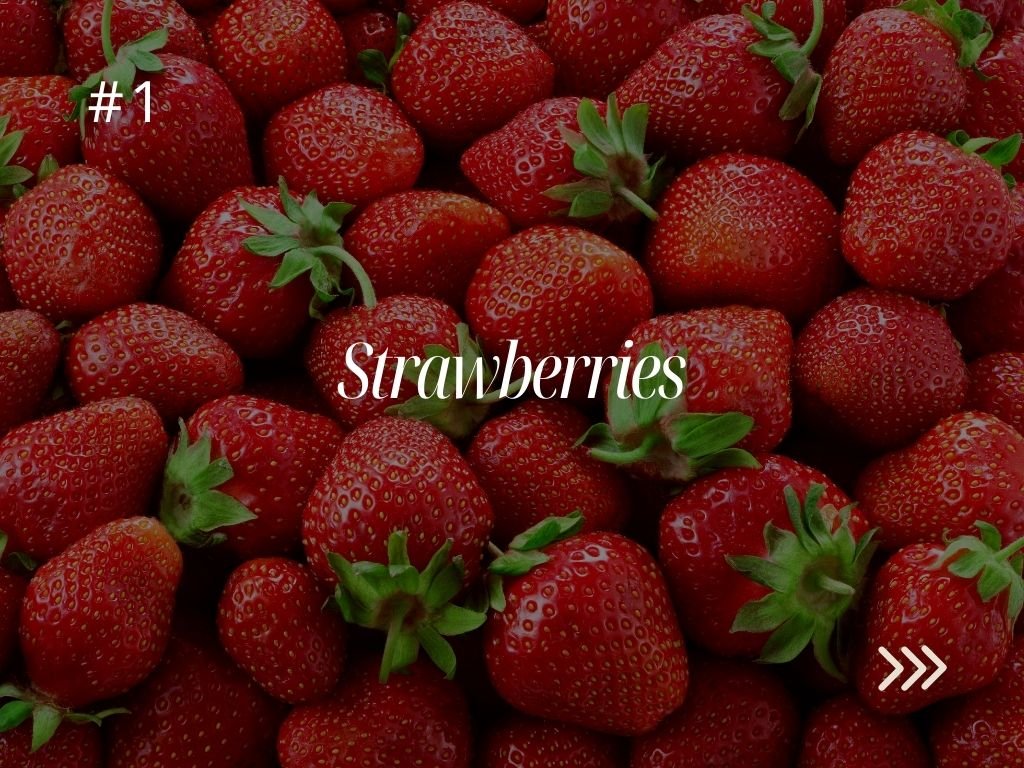
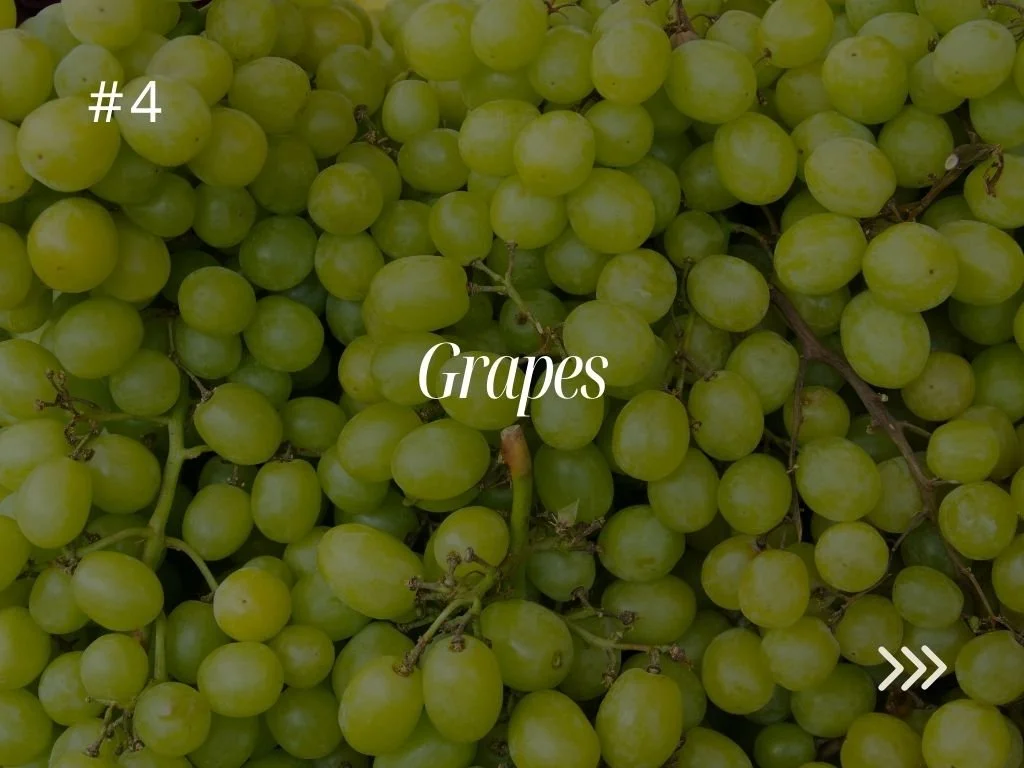
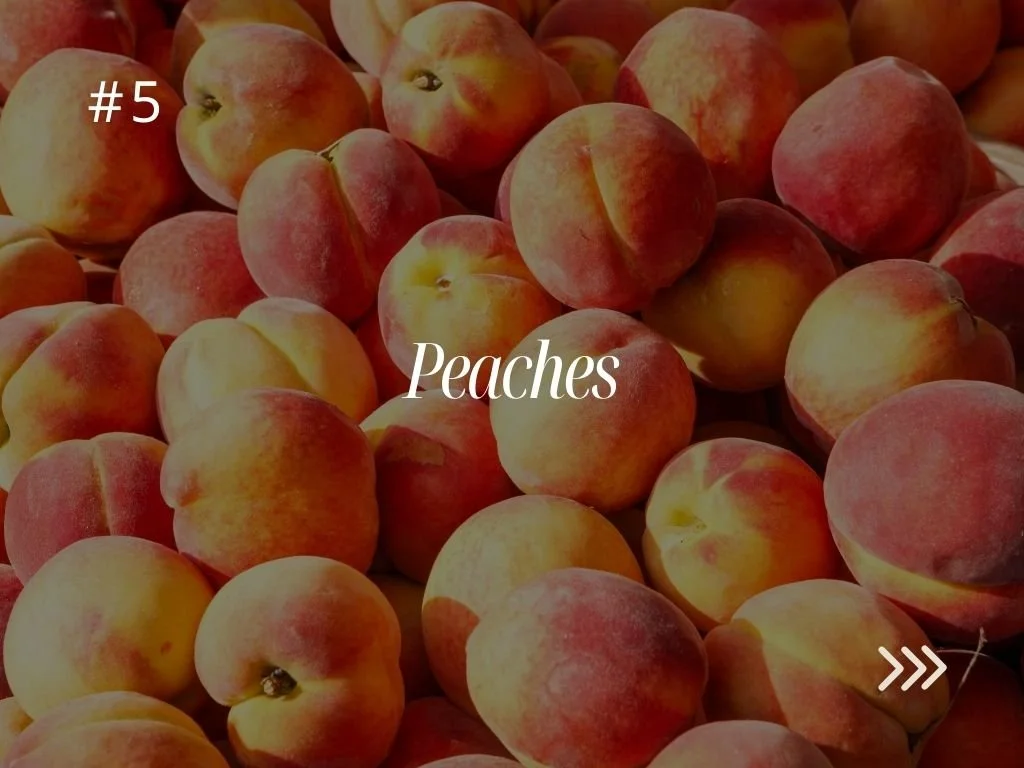
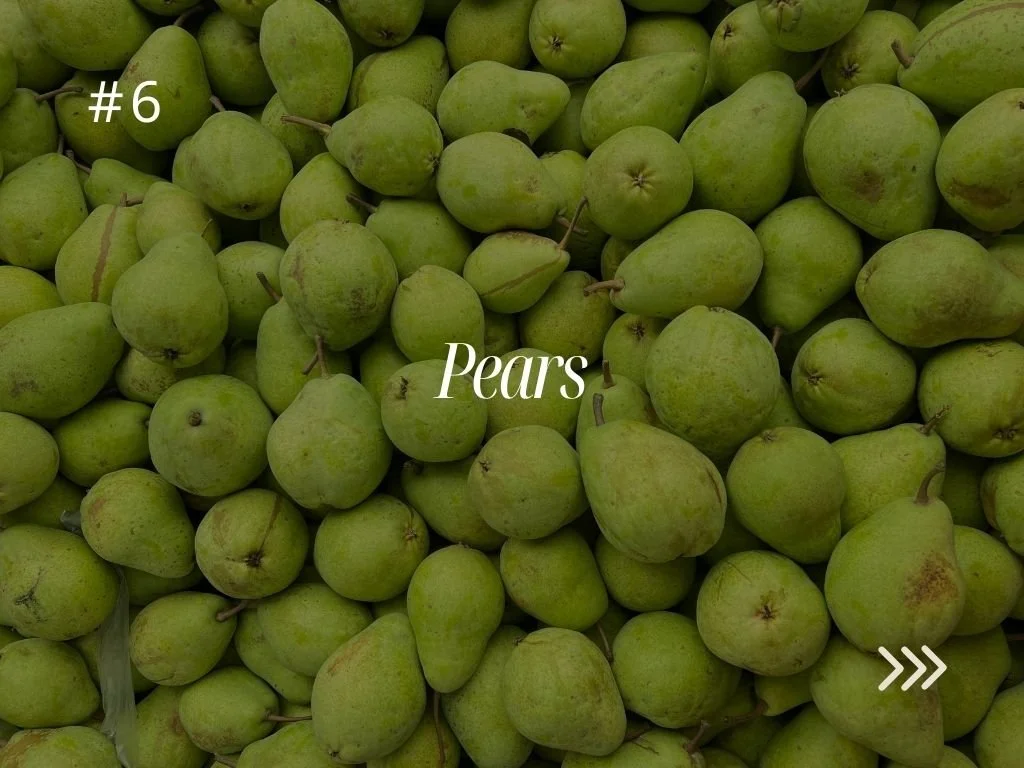
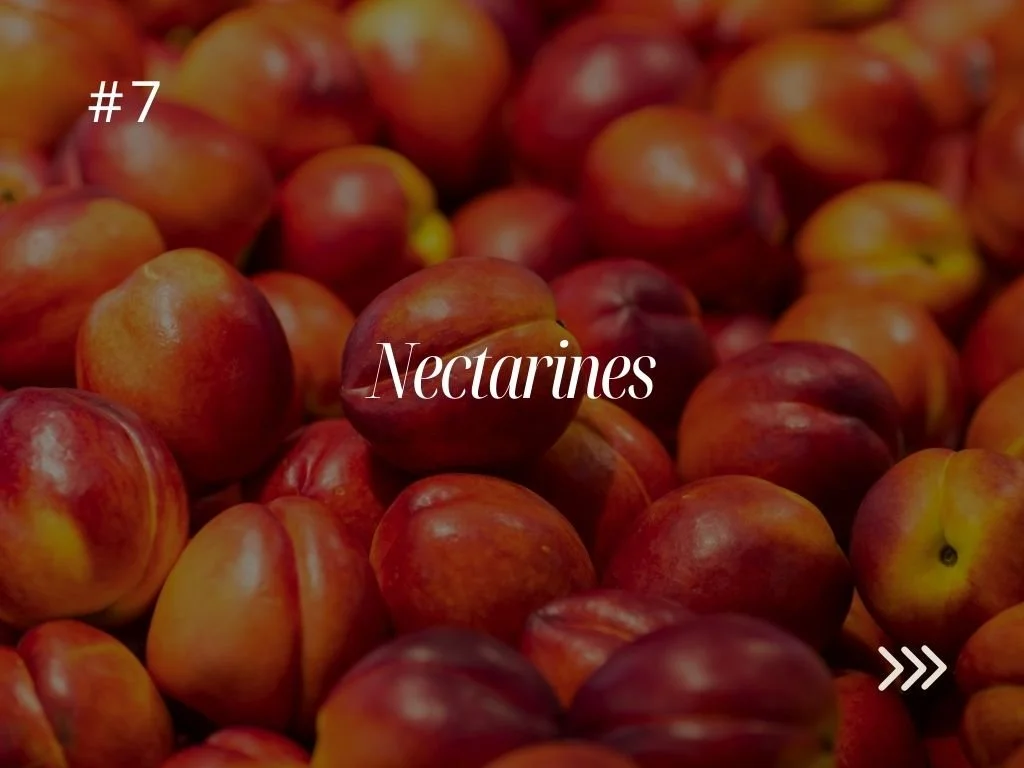
Strawberries
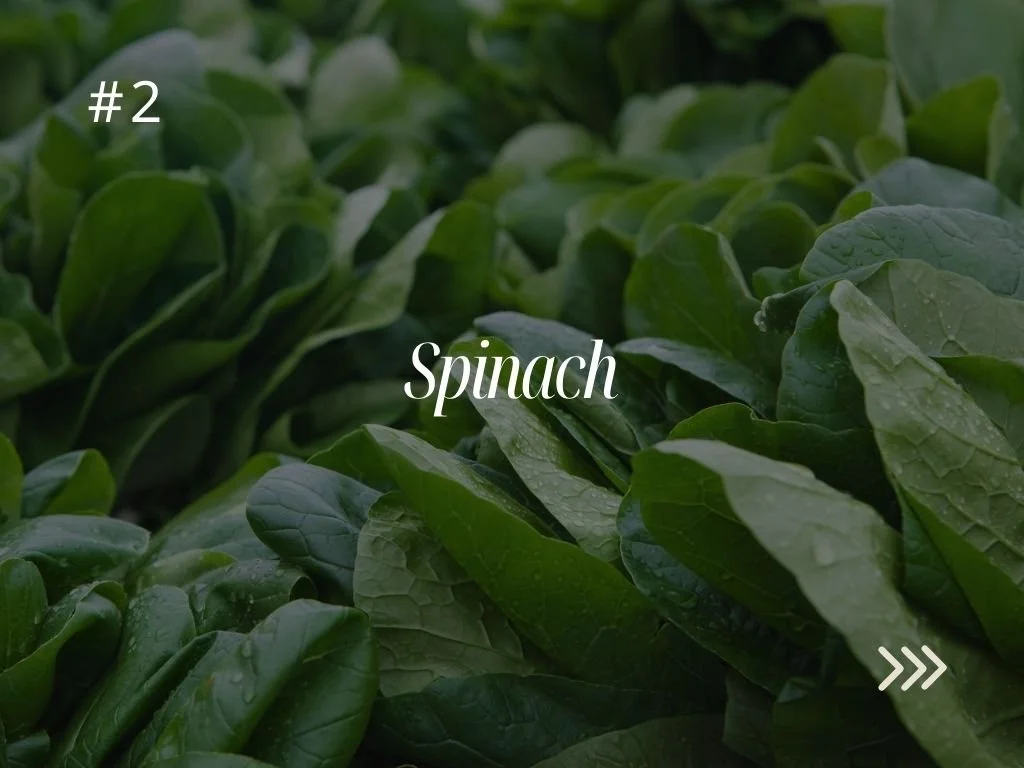
Spinach
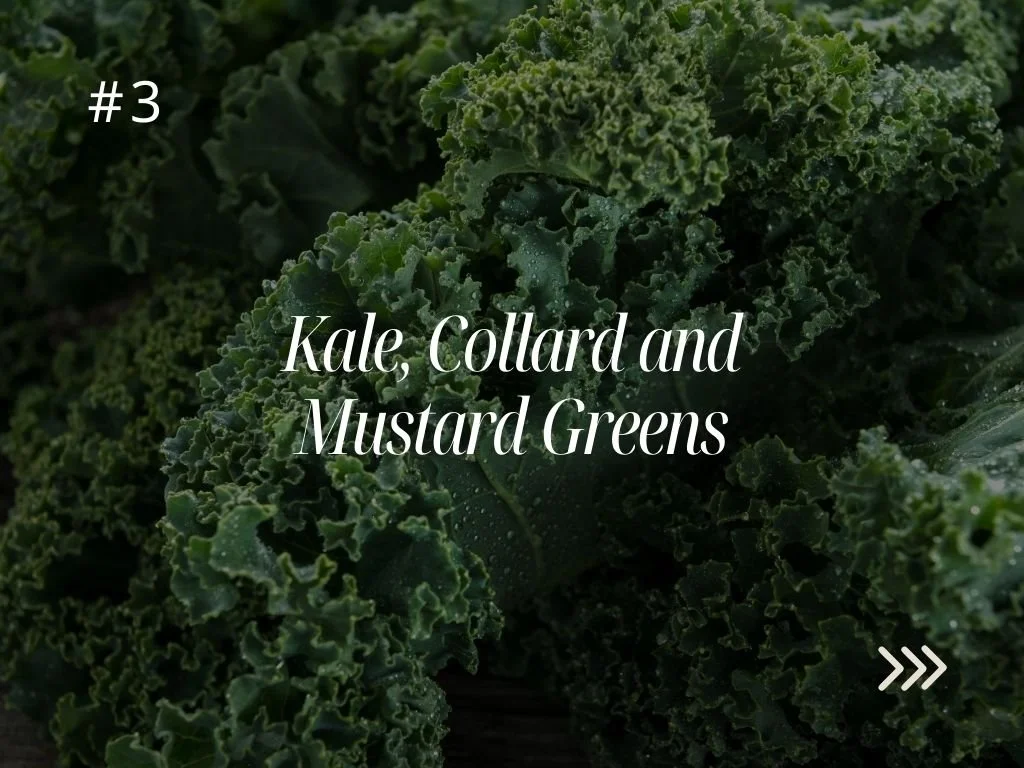
Kale, collard and mustard greens
Grapes
Peaches
Pears
Nectarines
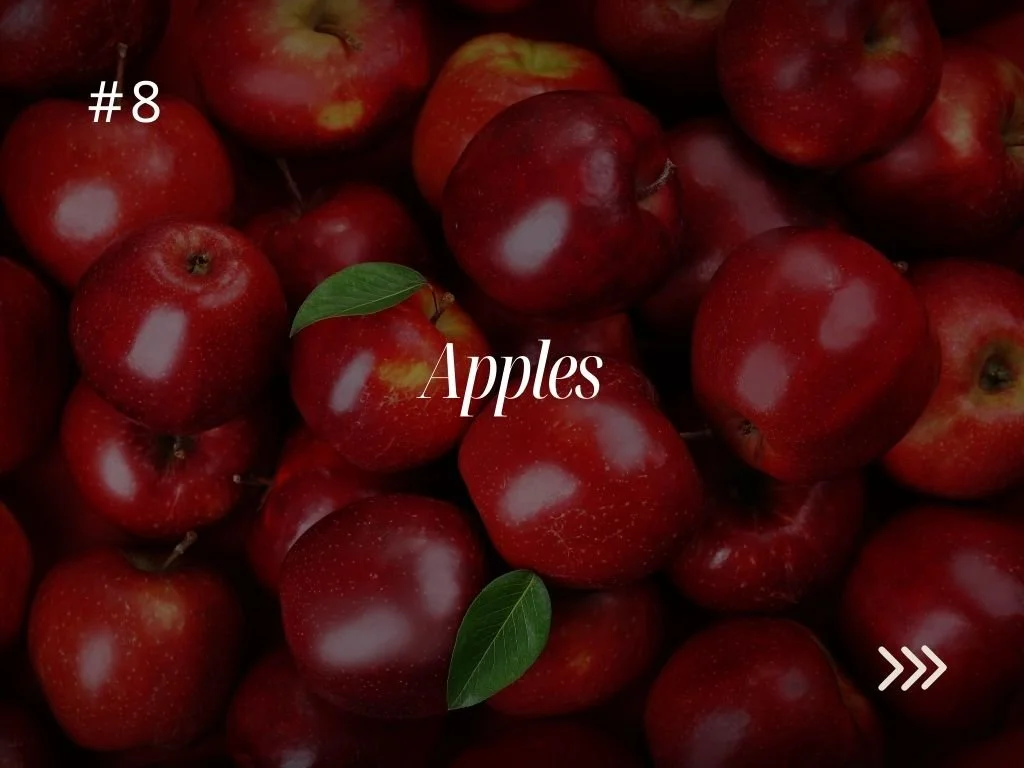
Apples
Capsicum/Bell and hot peppers
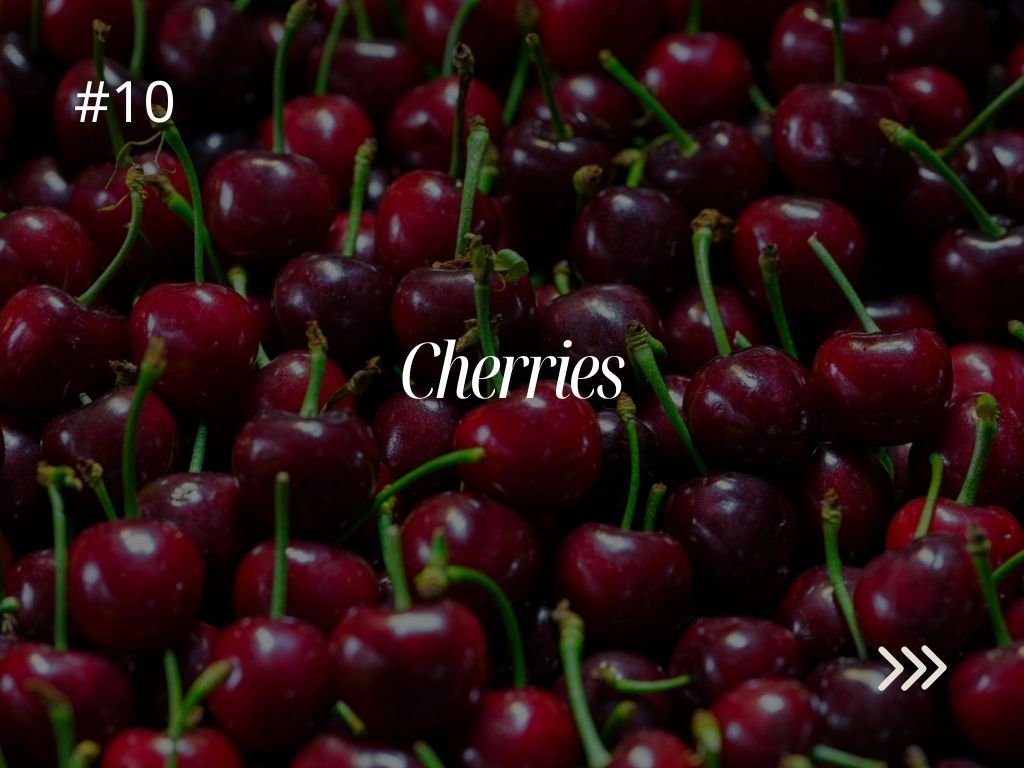
Cherries
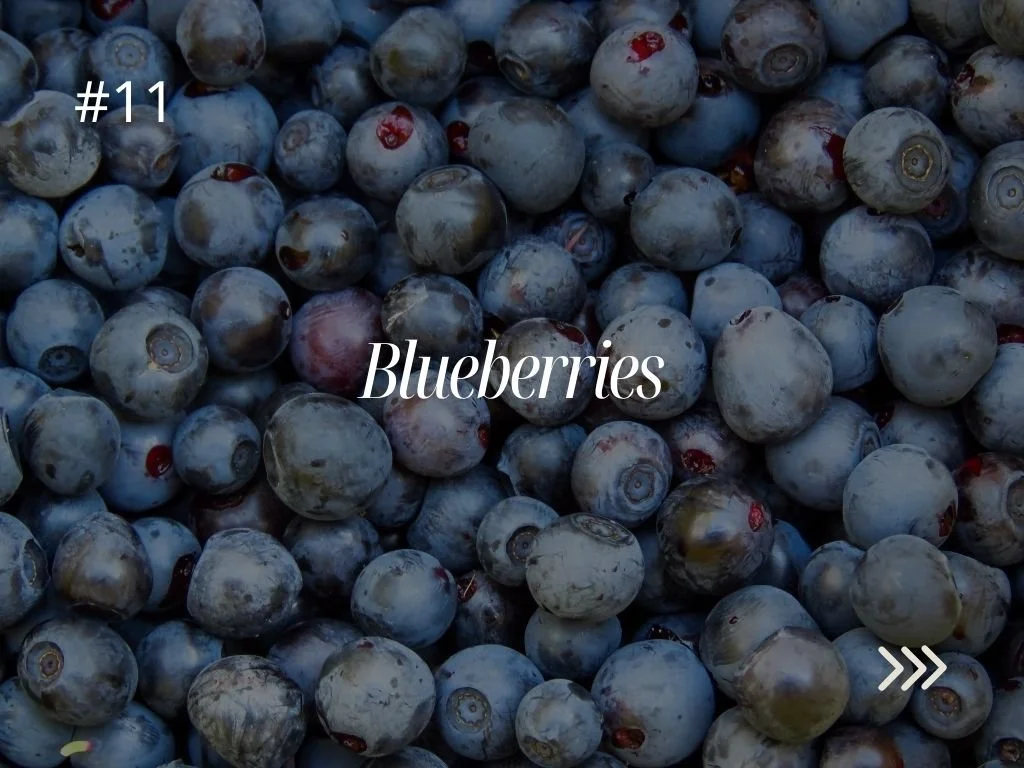
Blueberries
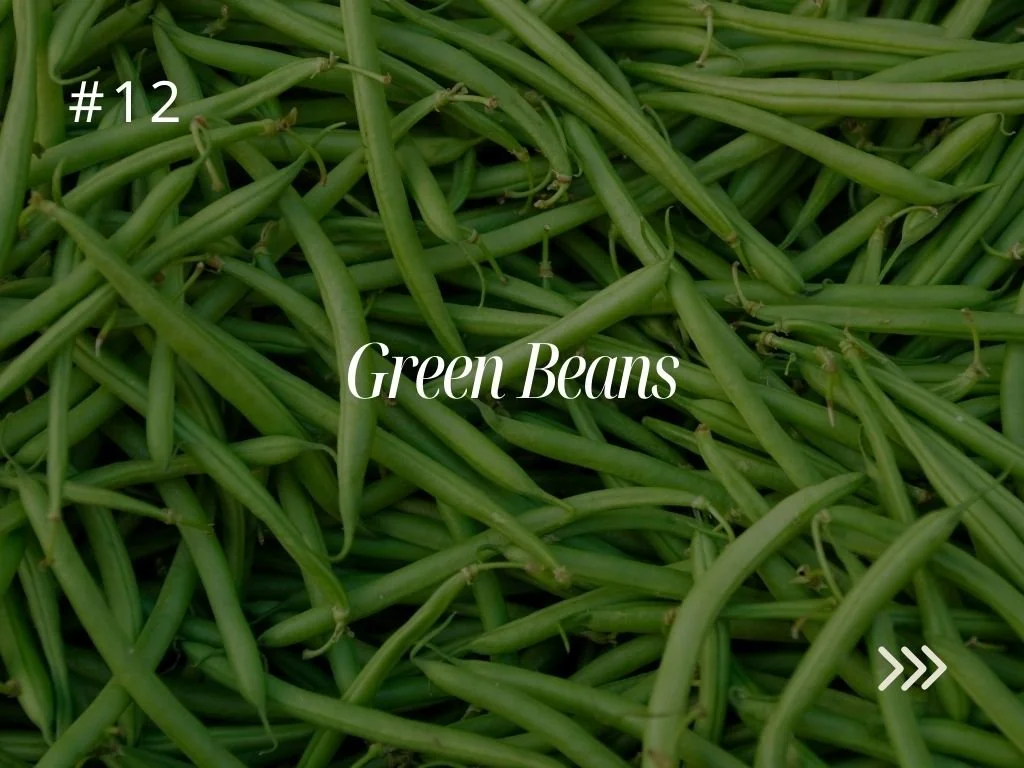
Green beans
These foods often contain multiple pesticide residues at once, sometimes in higher concentrations.
If budget is limited, this is where I tell my clients to prioritise organic.
The middle group
Lower residues, but still worth washing well
These fruits and vegetables fall between the Dirty Dozen and the Clean Fifteen.
They may contain pesticide residues, but generally at lower levels.
• Tomatoes
• Celery
• Lettuce
• Potatoes
• Carrots
• Cucumbers
• Zucchini
• Broccoli
• Cauliflower
• Snap peas
• Oranges
• Lemons
• Tangerines
Organic is a great option here when accessible, but not essential for everyone.
The Clean Fifteen
Lowest pesticide residues
These fruits and vegetables consistently show the lowest levels of pesticide contamination, even when conventionally grown.
This is where you can relax.
Avocados
Sweet corn
Pineapple
Onions
Papaya
Frozen sweet peas
Asparagus
Honeydew melon
Kiwi
Cabbage
Mushrooms
Mangoes
Sweet potatoes
Watermelon
Carrots
For most people, buying these conventional is completely fine.
A grounded reminder
This list is not about perfection.
It’s about making informed choices without stress.
If you can’t buy everything organic, that doesn’t mean you’re doing it wrong.
If you’re doing your best with what you have access to, that matters.
Food should support your health, not become another source of anxiety.
The simple rule I give my clients
If you remember nothing else, remember this:
• Dirty Dozen → organic whenever possible
• Clean Fifteen → conventional is fine
• Middle group → wash well and choose organic when you can
Simple. Sustainable. Real-life friendly.